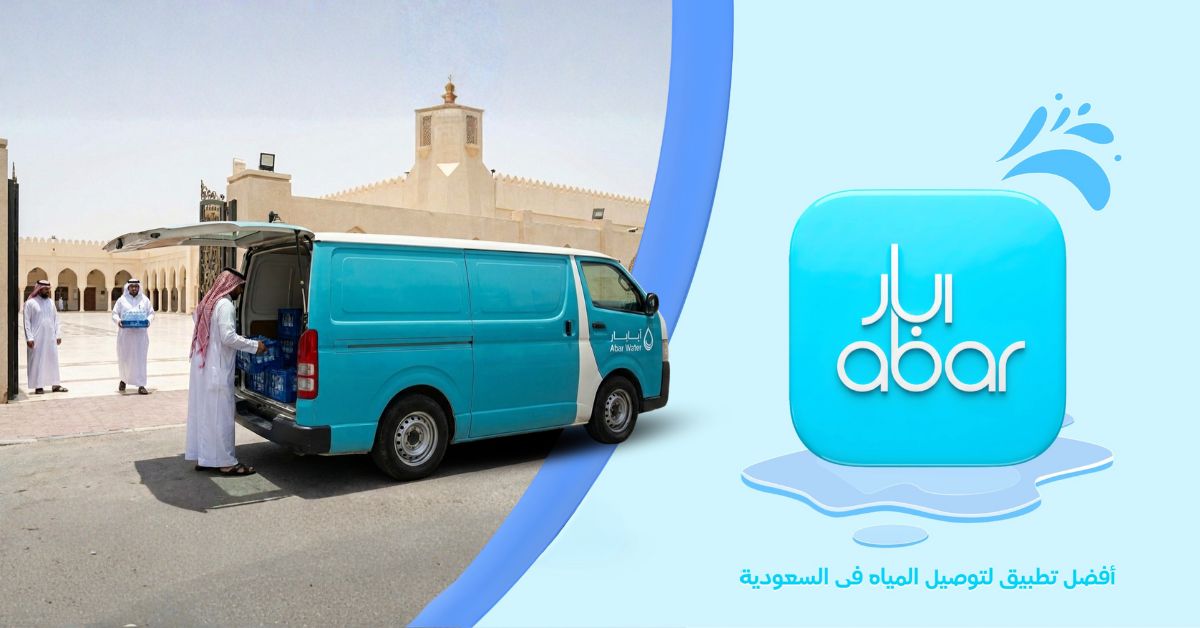
Introduction: Why does providing water in mosques become a critical necessity in summer?
With rising temperatures during the summer, especially in hot Arab countries, water becomes an essential element that cannot be neglected inside mosques. Mosques are not only places of worship but also daily gathering spaces for hundreds or even thousands of worshippers, which significantly increases water consumption for drinking, ablution, and cleaning.
This is where the importance of supplying water to mosques in summer becomes a top priority to ensure the comfort and health of worshippers, especially with the growing need for continuous hydration. A lack of water in the mosque does not only cause inconvenience but can directly affect the performance of (acts of worship).
In this comprehensive guide, we will explore the best ways to ensure water availability for worshippers, focusing on practical solutions, modern strategies, and best practices to maintain sustainable water supply in mosques during summer.
The Importance of Providing Water in Mosques During Summer
1. Maintaining Worshippers’ Health
High summer temperatures increase the risk of dehydration and heat exhaustion, making the availability of drinking water in mosques essential. Water helps keep the body hydrated and maintains energy levels throughout the day. It also improves concentration during prayers and religious activities.
2. Facilitating Ablution (Wudu)
Ablution requires a constant and uninterrupted supply of water, especially with the increased number of worshippers during summer. Any shortage can lead to crowding and delays in (prayer). Ensuring water availability allows for smooth and easy performance of religious rituals.
3. Enhancing General Cleanliness
Water is a fundamental element for maintaining cleanliness in mosques and their facilities on a daily basis. This includes restrooms, ablution areas, and mosque floors. Proper hygiene helps protect the health of worshippers and provides a safe and comfortable environment.
Key Challenges in Supplying Water to Mosques in Summer
1. Increased Consumption
During summer, water consumption in mosques rises significantly, sometimes by up to 50%, due to the growing number of worshippers and frequent use for ablution. Additionally, the need for drinking water increases (due to heat). Cleaning and cooling needs also put extra pressure on water resources.
2. Weak Infrastructure
Some mosques suffer from outdated or insufficient infrastructure that cannot handle increased summer demand, such as small tanks or weak water networks. This makes it difficult to store enough water and meet the needs of worshippers consistently.
3. Unexpected Water Cuts
In some areas, unexpected water supply interruptions may occur, especially during peak summer periods. These disruptions directly affect the mosque’s ability to provide water for drinking and ablution, causing inconvenience and disruption .
4. Poor Resource Management
Water wastage is one of the major challenges, as it may be used excessively or inefficiently. Lack of awareness and absence of water-saving systems can quickly deplete resources, increasing the risk of shortages when water is most needed.
How to Ensure Water Availability for Worshippers in Mosques?
First: Advance Planning for Water Supply
Proper planning is the foundation of successfully supplying water to mosques in summer. Mosque management should assess the expected number of worshippers, especially during peak times like Friday prayers and Taraweeh. They should also calculate average water consumption per person for drinking and ablution, then create a clear plan based on these figures. Having an emergency plan with alternative water sources ensures uninterrupted supply.
Second: Using High-Quality Water Tanks
Water tanks are essential for ensuring sufficient water supply in mosques. It is important to choose high-quality tanks with appropriate capacity based on daily consumption. These tanks should be heat-resistant to prevent water from being affected by high temperatures, and they must be cleaned regularly to avoid contamination. Proper sealing helps maintain clean and safe water.
Third: Contracting Water Delivery Services
When the main water network is insufficient, contracting water delivery services becomes a practical solution. These companies provide continuous supply and often meet high-quality standards. They also respond quickly in emergencies. However, it is crucial to choose reliable providers to ensure consistent service and quality.
Fourth: Providing Water Distribution (Points Inside the Mosque)
Strategic placement of water distribution points improves accessibility and reduces crowding. Installing water coolers in multiple areas ensures coverage across the mosque. Large containers and ready-to-use bottled water also help meet high demand and improve the overall experience of worshippers.
Fifth: Water Conservation
Conserving water does not mean reducing availability but using it efficiently. Installing water-saving faucets helps minimize waste without affecting usability. Raising awareness among worshippers about responsible usage during ablution is also important. Fixing leaks promptly prevents unnecessary water loss.
Sixth: Using Bottled Water
Bottled water is a practical and quick solution to meet additional needs, especially during peak times. It is easy to distribute and ensures cleanliness, making it suitable for elderly worshippers. While it is not a permanent solution, it provides important support in maintaining water availability.
Seventh: Regular Maintenance of Water Systems
Regular maintenance ensures continuous water flow without interruptions. This includes inspecting pipes, fixing leaks, and cleaning filters. Ongoing monitoring helps prevent sudden breakdowns and ensures safe and stable water supply for all worshippers.
The Role of the Community in Supporting Water Supply to Mosques
The community plays a vital role in ensuring successful water supply efforts in mosques during summer. Individuals can contribute by donating bottled water or funding the purchase of tanks. Supporting water charity campaigns helps maintain continuous availability. Raising awareness about water conservation also helps reduce waste and ensures sustainability for a larger number of worshippers.
Innovative Ideas to Ensure Water Availability
With increasing challenges in summer, innovative solutions are essential. Establishing a “water endowment” (Waqf) ensures continuous funding for water supply. Installing cooling systems provides cold water suitable for hot weather, improving comfort. Smart applications can also track consumption and help mosque management make better decisions to ensure water sustainability.
Common Mistakes to Avoid
Despite efforts, some common mistakes can lead to water shortages, such as relying on a single water source without backup options. Neglecting tank cleaning can cause contamination, posing health risks. Lack of emergency planning and excessive water use without awareness can quickly deplete resources and affect service sustainability.
The Importance of Water Quality in Mosques
Providing water is not enough; it must also be safe and clean. Water quality directly impacts the health of worshippers, so it must be free from contaminants and properly stored in clean, sealed tanks. Using filtration systems improves quality and ensures safe drinking water that meets daily needs.
How to Choose the Best Water Source for a Mosque?
Choosing the right water source is essential for successful supply. It is important to ensure water quality and compliance with health standards. Checking company licenses and customer reviews helps assess reliability. Consistency in delivery schedules is also crucial to maintaining a stable supply.
The Role of Technology in Improving Water Supply
Technology plays a key role in improving water management in mosques. Sensors can monitor tank levels in real time, while smart systems optimize water distribution. Modern applications provide consumption analysis and reports, helping improve efficiency and sustainability of water supply.
Conclusion: Water as a Continuous Charity… and a Lasting Impact
In conclusion, supplying water to mosques in summer is not just an operational service but a humanitarian act that combines physical comfort with spiritual reward. Every effort made to ensure water availability directly improves worship quality and the well-being of worshippers, especially during extreme heat.
This highlights the importance of charitable initiatives like “Abar,” which make it easier for individuals to contribute to water projects and support mosques sustainably. By donating or participating, you become part of a lasting (good deed), benefiting every person who drinks or performs ablution.
Investing in water is investing in people, and your support today can bring comfort to thousands tomorrow. Start making a difference through water charity—where every drop becomes a continuous reward that never ends.