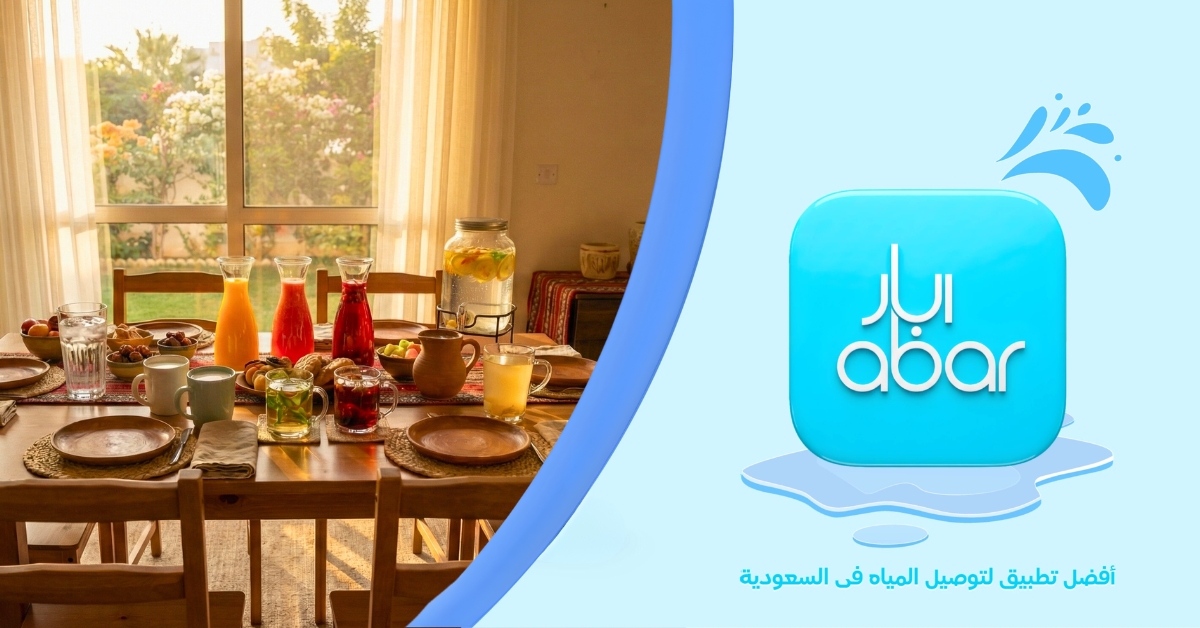
ut Ramadan with the best natural healthy drinks, sugar-free, alongside water.
Best Healthy Hydrating Drinks Besides Water During Ramadan
Water is the cornerstone of life, and no one disputes its importance, especially during the holy month of Ramadan. However, many fasting individuals experience persistent thirst or fatigue despite drinking adequate amounts of water between Iftar and Suhoor. This raises an important question: Is water alone always enough to replenish the fluids and essential nutrients the body loses during fasting?
During the long hours of fasting, the body loses not only water but also essential minerals (electrolytes) and some water-soluble vitamins. Therefore, relying on healthy hydrating drinks in addition to water is a smart strategy to maintain body balance, support energy levels, and reduce fatigue and dehydration, especially in hot climates. In this article, we will explore in detail the best healthy hydrating drinks during Ramadan, their benefits, the optimal timing for consumption, and what to avoid to ensure a healthy and balanced fast.
1. The Concept of Healthy Hydration in Ramadan
Healthy hydration during Ramadan goes beyond simply drinking fluids to quench thirst; it is a comprehensive approach aimed at maintaining the body's internal balance throughout the long hours of fasting. When abstaining from food and drink, the body loses not only water but also significant amounts of essential minerals and nutrients that play a key role in regulating body temperature, supporting muscle function, maintaining focus, and stabilizing energy levels. Therefore, choosing the right drinks during Ramadan is an important health decision rather than a mere habit. A healthy drink should help compensate for these losses, support digestion after Iftar, and enable the body to retain fluids as long as possible without causing gastrointestinal discomfort or fatigue. On the other hand, sugary or caffeinated beverages may provide a temporary sense of refreshment but often lead to increased thirst and fluid loss afterward. Hence, it is recommended to rely on natural drinks, low in sugar or sugar-free, rich in minerals, and easy to digest, to achieve effective and sustainable hydration that keeps the fasting person comfortable and energized from Iftar to Suhoor.
2. Milk and Dairy – Hydration with Nutrition
2.1 Milk
Milk is one of the best healthy hydrating drinks to complement water during Ramadan due to its balanced composition of fluids and essential nutrients. It contains a high water content, along with calcium, protein, and potassium, which help the body retain fluids longer than water alone. Milk also supports bone and muscle health and provides a feeling of fullness, making it a suitable option to reduce hunger and thirst during fasting hours. It is best consumed either with Suhoor to support hydration throughout the day or immediately after Iftar, especially following dates, as it helps prepare the stomach and replenish lost fluids and nutrients.
2.2 Yogurt Drink (Laban)
Yogurt drinks are among the strongest natural hydrating options in Ramadan, particularly for those who experience frequent thirst or digestive disturbances. Yogurt is rich in water and contains probiotics, beneficial bacteria that support digestive health and enhance nutrient absorption. It also helps reduce stomach acidity that may arise after Iftar and replenishes the minerals lost during fasting, helping to reduce fatigue and thirst. With its light consistency and easy digestibility, yogurt drinks are ideal between Iftar and Suhoor, preferably low-fat and unsweetened, to ensure healthy hydration without overloading the body with sugars or excess fats.
3. Coconut Water – Smart Natural Hydration
Coconut water is one of the closest natural fluids to the body’s own composition, making it a smart and effective hydration option during Ramadan, especially after long fasting hours. It naturally contains essential minerals such as potassium and magnesium, which play a vital role in replenishing electrolytes lost through sweating and fluid depletion, particularly in hot climates. Coconut water is gentle on the stomach and easily absorbed, avoiding heaviness or digestive discomfort compared to sugary or processed beverages. It helps restore energy and provides a refreshing feeling without causing bloating or sluggishness. It is best consumed about two hours after Iftar or after Taraweeh prayers, when the body is most ready to benefit from its nutrients, supporting balanced nighttime hydration. However, despite its many benefits, moderation is advised because it contains natural sugars that may not be suitable for excessive consumption, particularly for those monitoring blood sugar levels or aiming for moderate and sustainable hydration during Ramadan.
4. Fresh Natural Juices (Smart Choices)
4.1 Watermelon Juice
Watermelon juice is one of the best natural juices for hydration during Ramadan due to its composition of over 90% water, making it ideal for replenishing fluids lost after long hours of fasting. Its light texture and quick absorption ensure it does not strain the stomach after Iftar, providing immediate refreshment and hydration. Watermelon also contains natural antioxidants that help support cell health and reduce fatigue, along with minerals that help maintain fluid balance. It is best consumed immediately after Iftar or as a light evening snack between Iftar and Suhoor, always fresh and without added sugar to ensure maximum hydrating and health benefits.
4.2 Fresh Orange Juice
Fresh orange juice is another excellent drink for hydration in Ramadan, offering both a high water content and a rich source of vitamin C, which plays an important role in supporting immunity and overall health during fasting. It also enhances iron absorption from food, positively impacting energy levels, especially for those feeling tired or lethargic. Its refreshing taste makes it popular after Iftar, but it should always be consumed naturally without added sugar, as excess sugar can lead to rapid blood glucose spikes followed by increased thirst and fatigue. When consumed in moderation, fresh orange juice supports hydration and health during Ramadan nights.
4.3 Cucumber Juice
Cucumber juice is one of the most effective natural hydrating drinks, especially in hot weather during Ramadan. Its high water content helps replenish lost fluids and reduce thirst, while also supporting the body’s natural cooling process, providing a sense of comfort and refreshment after Iftar. Light and easy to digest, cucumber juice does not cause sugar spikes or digestive heaviness, making it suitable for those seeking balanced, healthy hydration. It can be consumed alone or with a touch of mint or lemon to enhance flavor and benefits, always without added sugar.
5. Herbal Drinks – Hydration and Body Comfort
5.1 Iced Hibiscus (Karkade)
Iced hibiscus is a popular Ramadan drink and a healthy hydration option when consumed properly. It contains a good amount of fluids along with natural antioxidants that help the body combat fasting-related stress and support blood pressure balance. It provides a refreshing sensation, especially in hot climates, and is ideal for post-Iftar or evening consumption. To achieve its full hydrating potential, it should be consumed cold and without any added sugar, as sugar reduces its hydration benefits and may increase thirst later.
5.2 Mint Tea
Mint tea is one of the best natural hydration options during Ramadan, offering a soothing and refreshing effect simultaneously. Mint helps calm the digestive system after Iftar and alleviates bloating or stomach discomfort caused by heavier meals. It also provides a cooling sensation that reduces feelings of thirst. Mint tea is suitable for drinking warm or lukewarm between Iftar and Suhoor and should always be sugar-free, as its natural flavor is sufficient to deliver refreshment without the need for sweeteners.
5.3 Chamomile Tea
Chamomile tea is ideal for nighttime hydration during Ramadan, especially for those experiencing stress or difficulty sleeping. Its calming effect helps the body relax and improves sleep quality, which is crucial for maintaining balance during fasting. Light on the digestive system and gentle on the stomach, chamomile tea is safe for consumption after Iftar or before bedtime. To ensure it serves as a healthy hydrating drink, it must be consumed without added sugar, preserving its natural benefits and avoiding unwanted blood sugar spikes.
5.4 Anise Tea
Anise tea is another important herbal drink during Ramadan, particularly for those experiencing bloating or digestive disturbances after Iftar. It helps soothe the stomach, improve digestion, and reduce cramps, indirectly contributing to overall comfort and fluid absorption. Its calming properties make it suitable for evening or pre-bedtime consumption, supporting gentle and balanced nighttime hydration. It is emphasized that anise tea should be consumed without any added sugar, as its naturally mild flavor is sufficient, and sugar could turn this beneficial drink into a cause of increased thirst.
6. Light Soups – A Different Kind of Hydration
Soups during Ramadan are not just an appetizer; they are an effective and comprehensive means of hydration that help the body restore balance after long fasting hours. Combining warm fluids and nutrients, soups are easier to absorb and gentler on the stomach compared to some cold beverages. Vegetable soups, light lentil soups, and low-salt chicken soups are among the best Ramadan options, as they provide fluids along with essential minerals like sodium and potassium without adding excess fat or salt. Soups also prepare the stomach and digestive system to receive food after fasting, reducing overeating and promoting a feeling of balanced fullness, making them an essential component of any healthy hydration routine during Ramadan.
7. Drinks to Be Cautious About in Ramadan
Carbonated Drinks
Carbonated drinks cause bloating and increased fluid loss. Their high sugar content makes them one of the main contributors to thirst after Iftar instead of hydration.
Excessive Coffee and Tea
Overconsumption of coffee and tea during Ramadan increases urine output and fluid loss, leading to thirst and sleep disturbances, especially when consumed late at night.
Processed/Packaged Juices
Processed juices contain high amounts of sugar and low nutritional value, causing rapid blood sugar spikes that lead to thirst and fatigue rather than providing healthy hydration.
Smart Hydration Map from Iftar to Suhoor
Healthy hydration during Ramadan depends more on organization and smart choices than on sheer quantity. Ideally, start with a glass of water at Iftar, followed by a light soup to prepare the stomach and replenish fluids. Then, include a natural juice or yogurt drink to support hydration and nutrition, continuing to sip water intermittently between meals rather than consuming large amounts at once. In the late evening, a light herbal drink can help calm the body and support nighttime hydration, while Suhoor should include milk or yogurt to enhance fluid retention throughout the day. To achieve optimal results, reduce salt and sugar, choose only natural drinks, and pay attention to simple body signals such as urine color, with light-colored urine indicating good, balanced hydration that helps fasting feel comfortable and energetic.
Conclusion: Healthy Hydration with Apbar
Maintaining hydration during Ramadan is not just a habit; it is a lifestyle that ensures energy and vitality from Iftar to Suhoor. It relies on choosing natural, healthy drinks such as water, milk, yogurt, fresh juices, herbal beverages, and soups, while avoiding excess sugar and carbonated drinks. This is where Abar App comes in – the smart solution that gathers all trusted brands of drinking water and healthy beverages, ensuring fast delivery and precise order tracking. Families can access pure water and natural hydrating drinks easily and with peace of mind. With Abar, maintaining healthy hydration during Ramadan becomes simple and safe, allowing you to focus on worship and enjoy the blessed month without worrying about water or beverage quality.
Read More Blogs

We excel in custom mobile app development through the synergy of expert teams and efficient processes.


