
Stay smartly hydrated this Ramadan with pure water from Abar for better health and energy all day long
Introduction: Why Water Becomes a Top Priority in Ramadan in Saudi Arabia
During the holy month of Ramadan, our daily routines change dramatically, from sleep schedules to eating and drinking patterns. In Saudi Arabia, the hot and dry climate adds an extra health challenge that cannot be ignored: dehydration.
Fasting for long hours without drinking water, combined with temperatures that can exceed 40°C in some areas, raises the most important question for every fasting person:
How many liters of water does my body need daily during Ramadan?
This guide is not just general numbers; it is a practical plan based on:
-
The nature of fasting
-
Saudi climate
-
Age and activity differences
-
Latest health recommendations
1. Why Water Needs Differ in Ramadan Compared to the Rest of the Year
On regular days, the body gets its water needs naturally through frequent drinking throughout the day, as well as from water-rich foods and beverages. In Ramadan, however, the situation changes significantly; water intake is reduced, and fasting may last 14–16 hours, while high temperatures in Saudi Arabia increase sweating and fluid loss. Additionally, higher consumption of coffee and tea after Iftar—both diuretics—accelerates water loss. All these factors combined make the actual water requirement during Ramadan higher, making conscious and organized hydration essential.
2. General Rule for Body Water Needs
The commonly used guideline calculates 30–35 ml of water per kilogram of body weight daily, which works under normal conditions. For example, a person weighing 70 kg needs approximately 2.4–2.5 liters per day to maintain bodily functions. However, during Ramadan, especially in the hot and dry climate of Saudi Arabia, this guideline alone is insufficient; long fasting hours, high temperatures, and increased fluid loss through sweating all raise actual water needs. Therefore, it is recommended to increase this amount by 15–25% and focus on regular distribution between Iftar and Suhoor to ensure healthy and stable hydration throughout the month.
3. How Many Liters Does a Fasting Person Need in Saudi Arabia?
Due to high heat and dry conditions, it is recommended to increase water intake by 15–25%.
Recommended daily averages:
-
Women: 2.5 – 3 liters
-
Men: 3 – 3.5 liters
-
Active individuals or those working under the sun: 3.5 – 4 liters
Note: This amount should be distributed between Iftar and Suhoor, not consumed all at once.
4. Proper Distribution of Water Between Iftar and Suhoor
Drinking a large amount of water at once after Iftar is a common mistake, even with good intentions, because the body cannot absorb it all, and much of it is lost through urine. Healthy hydration relies on gradual and consistent intake, not sudden excess. The ideal approach is to start with 1–2 cups after Iftar to compensate for initial loss, continue drinking in small amounts until Taraweeh prayers, and then continue with periodic sips until bedtime. Suhoor serves as the last defense against dehydration during long fasting hours. This balanced approach, totaling about 8–12 cups daily (2.5–3.5 liters), is optimal for fasting individuals in Saudi Arabia, helping maintain fluid balance, reduce thirst, and support energy and focus without stressing the body or digestive system.
5. Does the Type of Water Matter in Ramadan?
Absolutely. Water quality is as important as quantity. During long fasting hours and high temperatures, the body is more sensitive to impurities or excess salts. Drinking pure, low-sodium water free from contaminants allows the body to absorb fluids efficiently and maintain balance. Poor-quality or high-salt water can increase thirst, strain the kidneys, cause bloating, and lead to fatigue. On the other hand, choosing trusted, high-quality water promotes deeper, longer-lasting hydration, reduces common Ramadan headaches, supports focus and energy, and provides overall comfort and stability—benefiting both health and worship.
6. Signs of Dehydration Not to Ignore
Many fasting individuals interpret tiredness and fatigue during the day as normal, but often it is a clear sign of dehydration, not just fasting. Dehydration usually begins with a mild headache or heaviness in the head, progressing to dizziness, difficulty concentrating, and challenges in performing daily tasks. Other warning signs include dark yellow urine and a general feeling of exhaustion, even without physical effort. Ignoring these signs can worsen the situation, so frequent occurrences require immediate attention to hydration, with water intake spread from Iftar to Suhoor to compensate for loss and protect the body.
7. Water Needs by Different Groups
Children
Children, especially those fasting partially or for short periods, need special attention, as their bodies lose fluids faster than adults. Their daily water needs vary by age, weight, and activity, usually between 1.5–2 liters. Water intake should be spread in small amounts, avoiding forcing large quantities at once. Sweetened drinks should be minimized, as they provide only temporary hydration.
Elderly
Elderly individuals are more prone to dehydration, as thirst perception decreases with age. They require regular reminders to drink water between Iftar and Suhoor, with small, frequent sips. Proper hydration helps maintain blood pressure, kidney function, and reduces fatigue and dizziness, especially in Saudi Arabia’s hot climate.
Diabetic and Hypertensive Individuals
Regular hydration is crucial for managing diabetes and high blood pressure during Ramadan. Dehydration may cause serious complications without early warning. It can raise blood sugar levels, disrupt electrolyte balance, and cause blood pressure fluctuations. Fasting individuals with these conditions should drink enough pure water, distribute intake evenly, and avoid diuretics like excess coffee, ensuring safe and comfortable fasting.
8. Water, Energy, and Focus in Ramadan
Insufficient water intake affects not only thirst but also mental energy and mood. Dehydration reduces blood flow to the brain, potentially lowering blood pressure, causing dizziness, weak concentration, and mood swings. Proper hydration between Iftar and Suhoor improves mental performance, reduces fatigue, stabilizes energy, and allows individuals to engage in daily activities and worship with greater alertness and comfort, resulting in a balanced and active Ramadan.
9. Can Juice or Soup Replace Water?
Soup and juice can partially contribute to hydration but cannot replace pure water. Soups may contain high salt or fat content, limiting their hydration effectiveness, and sometimes increasing fluid needs. Most juices are high in sugar, leading to rapid blood sugar spikes followed by increased thirst. Relying solely on soups or juices gives a false sense of hydration, while pure water remains the most effective and essential source of hydration during Ramadan.
10. Common Water-Drinking Mistakes in Ramadan
A major mistake is drinking large amounts of water at once after Iftar. The body cannot absorb it all, and much is lost through urine. Relying on carbonated drinks or sweetened juices gives temporary relief but increases thirst later and may harm digestion. Skipping Suhoor reduces available fluids for the day, and excess coffee after Iftar worsens fluid loss due to its diuretic effect. Ignoring water intake after Taraweeh also misses an opportunity to hydrate. These habits increase dehydration risk and reduce energy and focus. A regular, balanced water-drinking plan is essential to gradually replenish fluids overnight.
Conclusion: Ideal Hydration Plan for Fasting with Abar
During Ramadan, water becomes more crucial than ever, especially in Saudi Arabia’s hot and dry climate. The body loses fluids throughout long fasting hours, particularly under heat or physical activity. Drinking a large amount at once is insufficient; regular, distributed intake ensures absorption, hydration, and maintains energy and focus.
Start with 1–2 cups after Iftar, continue small amounts until Taraweeh, and finish with adequate water at Suhoor. This schedule helps maintain hydration, improves mood and cognitive performance, supports digestion, and reduces constipation and acidity. Choosing trusted, pure water is critical; poor-quality water increases thirst and fatigue, whereas pure water provides lasting refreshment and balance.
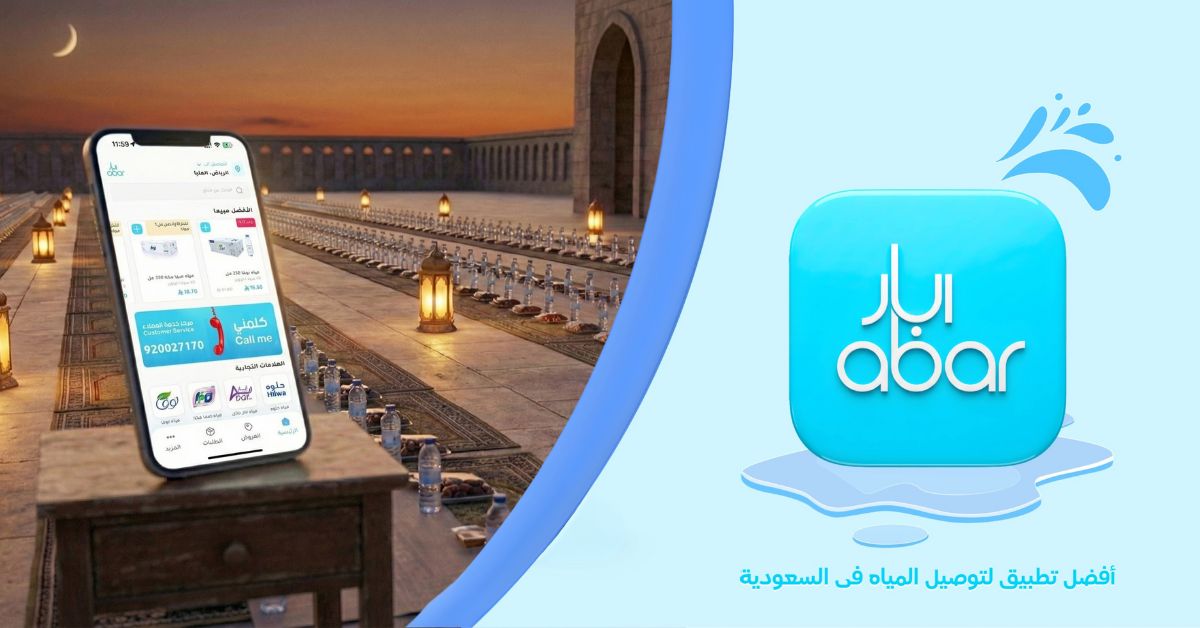
Here, Abar app offers a smart, convenient solution for fasting individuals in Saudi Arabia, providing high-quality water delivered quickly and reliably to your home or workplace. With a regular water plan and Abar’s trusted water, fasting individuals can consume 2.5–4 liters daily, distributed between Iftar and Suhoor, making hydration practical, healthy, and supporting energy and activity throughout Ramadan.
💧 Ramadan is about health, and water is the foundation. With Abar, smart hydration is easy and reliable for the whole family.
Read More Blogs


We excel in custom mobile app development through the synergy of expert teams and efficient processes.


